

 VIE
VIE
Summary of 4 popular aluminum casting techniques today
What is the most popular aluminum casting technique today? In fact, there is no exact answer to this question. Depending on the workshop, the casting product model, etc., there are different choices for different methods.
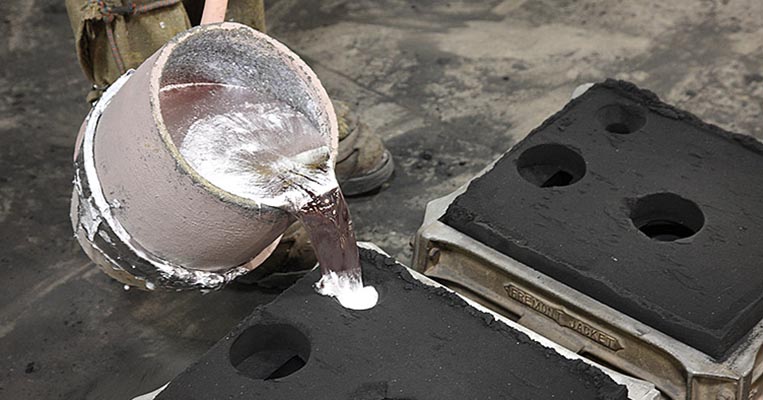
1. Vacuum Aluminum Casting Technique
Vacuum Aluminum Casting Technique uses the pressure difference in the mold to fill the mold with molten aluminum.
In mechanical foundries in Vietnam, Japanese vacuum casting technology is most widely used to produce aluminum gates/railings/fences. However, this method is still used to cast mechanical parts and machinery.
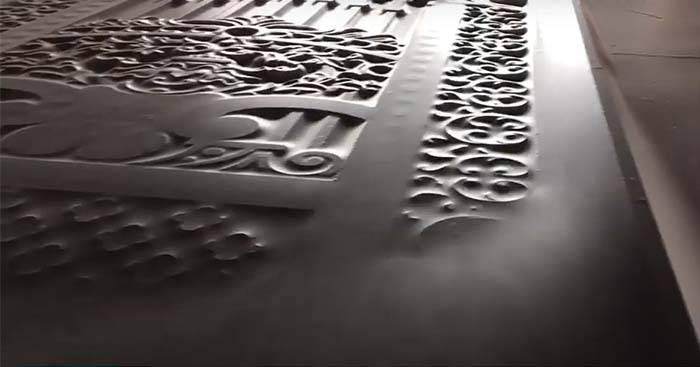
The biggest advantage of this casting technique is that it accurately casts objects with complex shapes. At the same time, it still ensures a smooth, porous surface. This is the feature that makes vacuum casting technique more appreciated than the traditional sand casting method.
2. High Pressure Aluminum Casting Technique
The above vacuum aluminum casting method is considered a form of low pressure. Meanwhile, this technique uses the pressure from the piston to compress the molten aluminum in the casting mold.
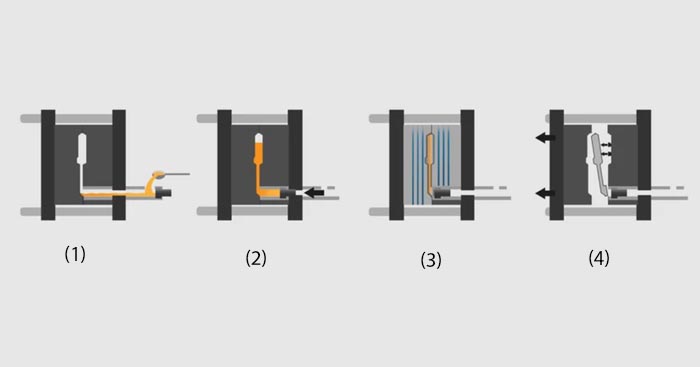
The mold consists of 2 halves. Initially, the 2 halves of the mold are closed. Molten aluminum is poured into the pressing chamber. At the same time, the piston presses the molten aluminum down into the detailed parts to fill the mold. This process occurs very quickly under high pressure.
Similar to the vacuum casting method, this technique has the advantage of casting products with complex details and ensuring aesthetics.
3. Aluminum casting with green sand mold
Green sand casting is the oldest and most popular casting technique. Not only aluminum but almost all other metals can use this mechanical casting technique. However, the biggest disadvantage of green sand casting is that the accuracy and aesthetics of the finished product are not high.
Whether it is aluminum or other non-ferrous metals, the principles and steps in the green sand casting process are the same. The main stages include:
- Create a sample from an available design
- Create a sand casting mold
- Melt aluminum metal and pour it into the mold through the pouring funnel system
- Wait for the metal to solidify and cool before breaking the mold to get the finished casting product
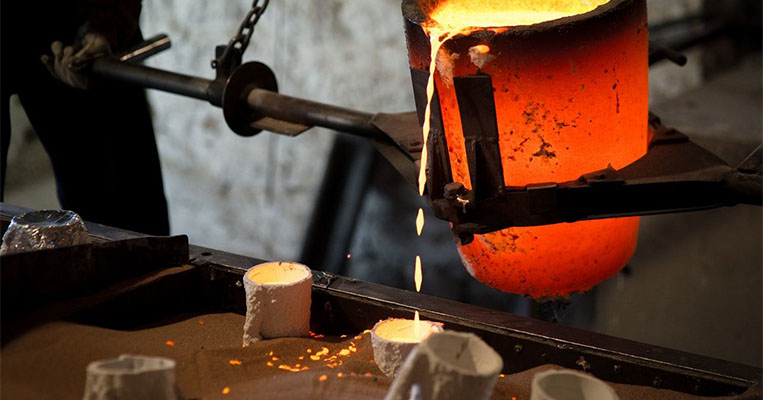
4. Aluminum casting with metal mold
Basically, instead of using sand molds, this method uses metal molds to cast aluminum. The mold material is usually cast iron, steel or alloy steel. The process starts with the assembly of the mold halves and then the metal is poured. The worker does not need to create a prototype and create a sand casting mold.
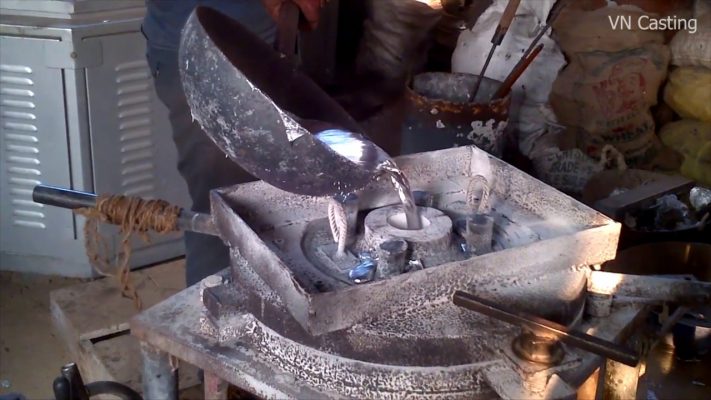
Compared with sand mold, this technique has outstanding advantages. The biggest is that metal mold can be used many times, no need to destroy the mold to get the finished casting. This is also the reason why metal mold casting is also called permanent mold casting.


